
Politicians love a good portmanteau. They make for catchy soundbites and nifty headlines, and often slip quickly and seamlessly into the public vernacular as if they’d been there all along (think Brexit!). One stood out at the Labour party conference in Liverpool this week when chancellor Rachel Reeves spoke of “securonomics”.
Reeves had coined the term more than two years earlier when, in opposition, she set out Labour’s vision for the UK economy. On Monday she deployed it again as she hinted at what her autumn budget might look like, pledging an approach to economic growth rooted in sustainable investment and sensible spending.
The speech was light on new policy announcements at a time the imperilled chancellor faces tough questions over the UK’s fiscal headroom.
With tax rises looking increasingly likely as Reeves refused to rule them out, we put the question to you, the reader: what should she do to get the public purse back under control? Find out how you voted below (spoiler alert: tax increases were not a popular choice).
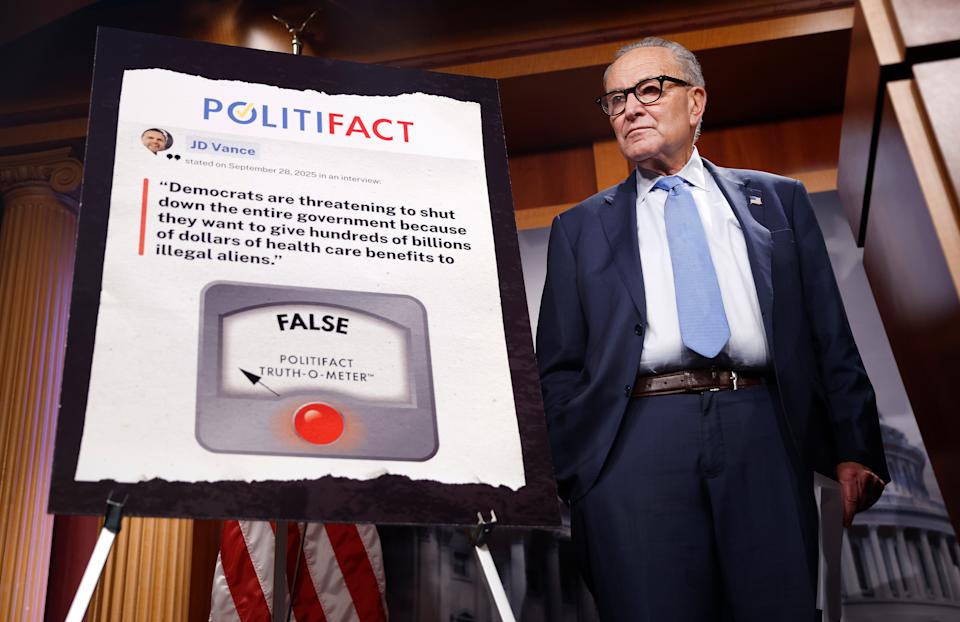
Meanwhile there was drama across the Atlantic, as political brinkmanship reached an inevitable climax. The first US government shutdown in seven years began on Wednesday after lawmakers and president Trump ceased negotiations and turned instead to trying to scapegoat the other side.
Though markets have historically taken federal shutdowns in their stride, the effects were felt immediately this time round with the delay of crucial economic data.
The Bureau of Labor Statistics’ fulsome calendar of economic releases ground to a stop – starting with Friday’s monthly jobs report, a key set of numbers watched keenly by the Federal Reserve as it ponders monetary policy.
In the absence of key government data, Fed policymakers will have to rely on private sector information, along with anecdotal evidence and surveys of business owners.
“Reliable federal data, especially related to price levels and inflation, is hard to replace, and there are no perfect substitutes,” Indeed senior economist Cory Stahle said.
Let’s take a closer look at the financial news making headlines in recent days.
Key moments from last week
UK economic growth slowed between April and June, ONS confirms
GDP growth fell sharply from 0.7% in the first quarter to 0.3% in the April to June period, official figures confirmed.
The disappointing unrevised numbers came a day after chancellor Rachel Reeves delivered a speech at the Labour party conference, in which she pledged an approach rooted in “securonomics”, emphasising economic stability and sensible spending over calls to shake up fiscal rules.
“In the months ahead, we will face further tests, with the choices to come made all the harder by harsh global headwinds and the long-term damage done to our economy, which is becoming ever clearer,” she told her audience in Liverpool.
No jobs report leaves Fed flying blind. Markets still expect cuts.
Federal Reserve officials are officially flying blind as the government shutdown precluded Friday’s release of a key monthly jobs report, arguably the most important data needed to make a decision about the future path of monetary policy at a meeting later this month.
But markets don’t appear too spooked that unanswered questions about the health of the US labour market will knock the central bank off course for two expected rate cuts by the end of the year.
Traders are pricing in a nearly 97% chance the Fed cuts rates by another quarter percentage point to 3.75% to 4% at its next meeting, in late October. They are also predicting another quarter-point cut at the last Fed meeting of 2025, in December.
Should Reeves hike taxes or cut benefit spending? How you voted
As the autumn budget draws closer, speculation is swirling as to what policy changes Rachel Reeves could announce to help plug a gaping hole in the UK’s public finances.
The chancellor has repeatedly said she is committed to her self-imposed fiscal rules, which include not borrowing to fund day-to-day public spending by the end of this parliament, as well as reducing debt as a percentage of gross domestic product.
With the dreaded spectre of tax rises looming large, our readers poll found the vast majority (78%) of you would prefer to see cuts to welfare spending.
‘We threw phone cases from a 250-metre dam to show our products work’
British entrepreneur James Griffith has been toughening up protective phone cases, as well as soon-to-launch hardshell luggage, every year since co-founding Mous in 2014, when he had to come up with novel ways to get his startup noticed.
A buoyant Griffith has just returned from an annual marketing stunt where he throws one of the company’s high-performance accessory products to test their durability when plummeting to the ground at 100mph.
“We’re trying to build a household brand and to do that you need to make yourselves famous, so we’ll keep doing that until we’re a proper brand,” he says.
Demand for homes priced over £500k falls amid budget speculation
Zoopla found demand for homes at this price had fallen 4% compared with a year ago, while the number of new listings above £500,000 has declined 7%, as ” buyers start to adopt a ‘wait and see’ approach ahead of the November budget”.
One rumour gathering pace is that the government may look to replace stamp duty with a national property tax that owner-occupiers would pay every year.





What do you think?
This strategic reallocation of resources can help companies create a significant competitive advantage.